Full profile of Zal Sissokho on So Many Bands: discography, members, every date ↗
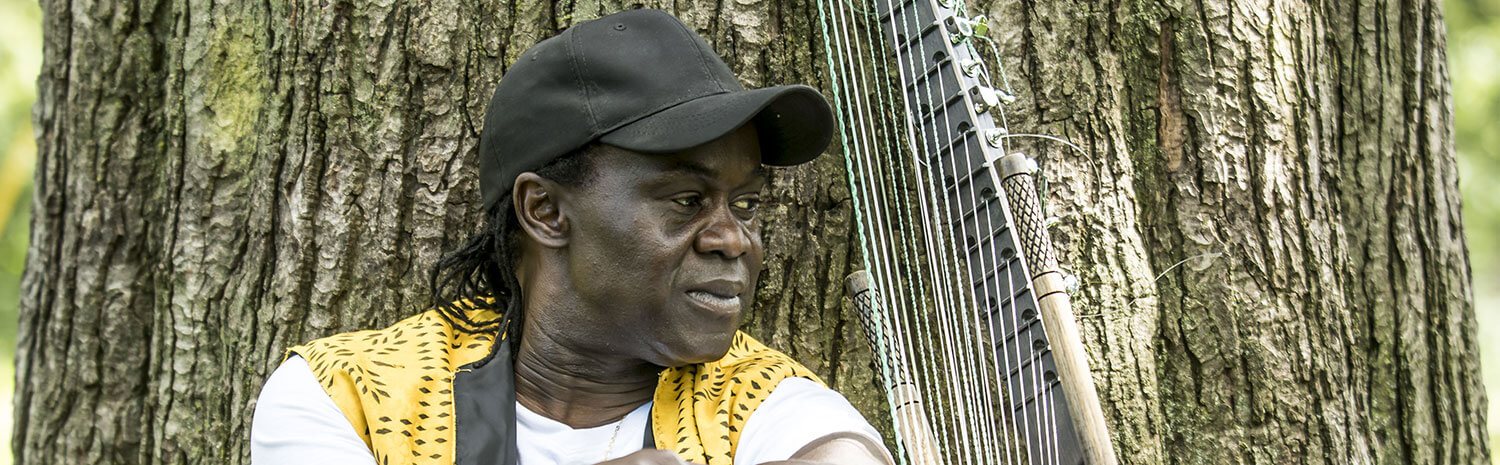
His story is written on the stings of the kora… it is how Zal Idrissa Sissokho, in all his mystique, reveals himself. Loyal to African griot traditions, this artist from Kolda, in southern Senegal, transmits history and age-old wisdom while taking a candid, poetic look at both his contemporary world and the past. Venerable member of this great griot family that harks back to the 13 th century, and to the first Sissokho griot, “a man of science and truth, a master of words”, Zal stands with pride by his muse, the kora. As a singer-songwriter, he honours his linage by singing in Malinke and Wolof, a tribute to the noble oral tradition of Sundiata Keita’s Mandinka Empire.
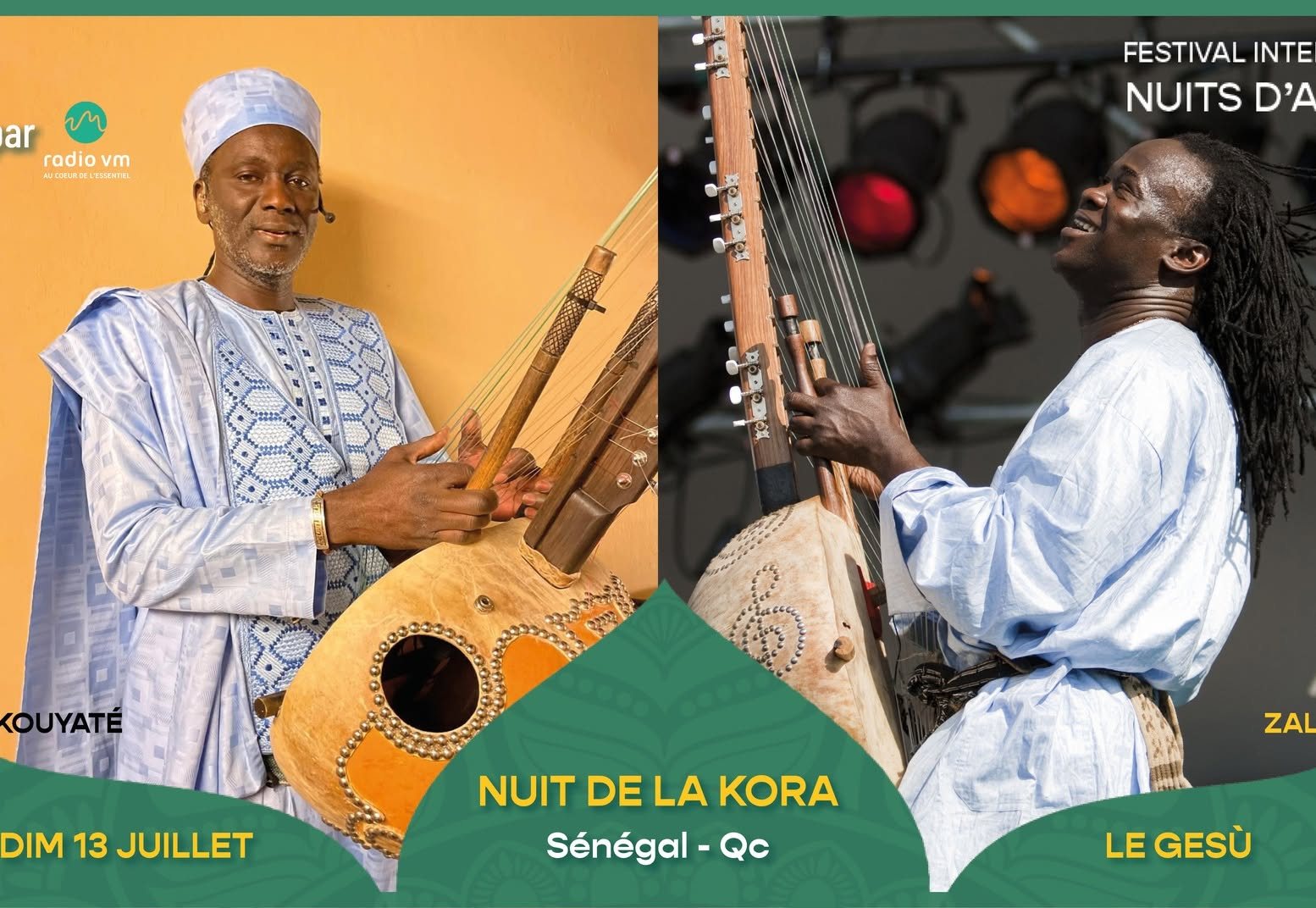
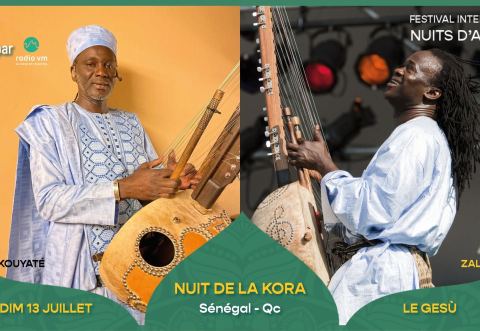
In 1999, Zal Sissokho put down new roots in Montreal and integrated into the local arts community. In addition to joining the ranks of the African diaspora, such as Corneille and the Diouf brothers, especially Élage who welcomed him like a brother, he would accompany Richard Séguin and the group Hart-Rouge. His virtuosity spread further when he played in Cirque du Soleil’s Las Vegas production of “Ô”, and his music formed the musical backdrop to Robert Favreau’s feature film, Un dimanche à Kigali. Zal has travelled the world in search of music’s universality, including to Brazil and Spain, which stirred his imagination. His versatility and openness to the world are reflected in his discography. In 2008, he released his debut album, Silaba, with his band Buntalo, singing of the mother figure and her “Teranga.” Then, in 2012, influenced by reggae and world music, he came out with a joyful ode, Le Partage. Later, he found himself in the company of Brazilian artists, Sergio Pererê and Marcus Viana, and discovered an ideal rhythmic fusion to combine with his lyrics, which led to the 2015 album, Famalé, a musical panorama linking his adopted city of Montreal with the shores of Belo Horizonte and his native Senegal, entirely produced in Brazil with world-class musicians. Two years later, he was back in Montreal with his Buntalo mates, paying tribute to legendary Quebec artist, Gilles Vigneault, on his 2017 album, La Palabre, which is infused with themes and characters at the heart of his celebrated man’s identity. In 2020, a fusion of Zal’s 21-stringed kora and Caroline Planté’s flamenco guitar joined the fiery lands of Andalusia and the deep ochre of West Africa, where the ancestors cradle the days and nights, creating a unique sound that earned them recognition from ADISQ (album of the year) in the World Music category as well as the Canadian Folk Music Award for World Music Album of the Year. A popular Nuits d’Afrique artist, Zal shared the stage last July with fellow countryman and renowned musician, Seckou Keita, during the “Nuit de la kora”. The Disque Nuits d’Afrique label, which produced Silaba, Le Partage and La Palabre, has brought Zal and his band good fortune, and La Source shall be the fourth part in this creative series.
The fall of 2023 will sound a new song for Zal Sissokho, La Source—a message of harmony and togetherness with love. Nine tracks to get hands clapping and hips shaking like at a barefooted fiesta in the village of Humanity. In the song “Djeliya,” Djely Tapa’s powerful voice rises like a hymn with lyrics that go straight to the heart of the Mandinka griot’s art, “We are born griot, we don’t become one,” while the song “Kela” sets Élage Diouf’s voice to the credo of surrendering to life. Because, for each of us, what will be, will be.
Listen to La Source, Zal Sissokho’s latest album
Nuits d'Afrique (record label), seen Nov 20 · Source ↗
Other texts
Nuits d'Afrique (record label), seen Nov 20
Son histoire s’écrit sur les cordes de sa kora… Voici comment se présente l’artiste Zal Idrissa Sissokho dans son mystère. Fidèle à la tradition du griot africain, ce passeur d’histoires et de messages millénaires originaire de Kolda, au sud Sénégal, porte un franc regard poétique sur son environnement contemporain comme sur le passé. Membre sacré de cette grande famille des griots du 13e siècle – dont le tout premier griot Sissoko «homme de science et de vérité, seigneur de mots» – Zal se dresse fièrement avec sa muse, la kora. L’auteur-compositeur-interprète honore sa lignée en chantant en malinké et en wolof, marque orale noble de l’Empire du Mandé de Soundiata Keïta.
C’est en 1999 à Montréal que Zal Sissokho pose ses pénates et s’associe à la communauté artistique. En plus de communier à la diaspora africaine – celle de Corneille et des frères Diouf dont Élage qui l’introduira comme un frère – il accompagnera Richard Séguin et la formation Hart Rouge. Sa virtuosité se répand au milieu circassien du Cirque du Soleil et « Ô » à Las Vegas. Sa musique marque la trame musicale du long métrage Un dimanche à Kigali de Robert Favreau.
Le koriste sillonne la planète en quête d’universalité. Le Brésil et l’Espagne pavent son imaginaire. Sa discographie est le reflet de sa versatilité et de son ouverture sur le monde. En 2008, avec sa bande de musiciens du Buntalo, il offre un premier opus Silaba. Il y chante la figure maternelle et sa «Teranga». Puis en 2012, il revient à la charge avec Le Partage, ode réjouissante aux touches reggae et world. Le griot trouvera auprès des artistes brésiliens Sergio Pererê et Marcus Viana une fusion rythmique idéale pour épancher sa parole. L’album Famalé paraît en 2015, entièrement réalisé au Brésil avec des artistes de calibre. Un tableau sonore reliant sa ville d’adoption Montréal, aux rives du Sénégal et de Belo Horizonte. Deux ans plus tard, en 2017, de retour avec ses amis du Buntalo, il célèbre le patriarche de la chanson québécoise Gilles Vigneault sur La Palabre, habité de thèmes et personnages au cœur de son identité. En 2020, la guitare flamenco de Caroline Planté se marie aux 21 cordes de la kora de Zal Sissokho pour un aller-simple vers les terres de feu d’Andalousie et l’ocre de l’Afrique de l’Ouest où les ancêtres bercent les jours et les nuits. Une œuvre originale qui lui mérite une reconnaissance de l’ADISQ (album de l’année) en Musiques du monde ainsi que le Canadian Folk Music Award for World Music Album of the Year. Figure des Nuits d’Afrique, il partage la scène en juillet dernier avec son compatriote Seckou Keita pour la fameuse « Nuit de la kora ». L’étiquette Disque Nuits d’Afrique lui porte chance lors de la distribution successive des albums Silaba, Le Partage et La Palabre avec Buntalo. La Source en sera le quatrième volet d’un sceau créatif.
L’automne 2023 sonne un nouveau chant pour Zal Sissokho : celui de La Source. L’expression d’un être épris d’harmonie et de vivre-ensemble. Neuf pièces orchestrées qui font battre des mains et secouer des hanches comme à une fête pieds nus au village de l’Humanité ! Sur Djeliya, la voix puissante de Djely Tapa soulève un hymne à l’art griotique mandingue. Une parole qui va droit au cœur : «Nous naissons griots mais on ne le devient pas.» La chanson Kela accorde la voix d’Élage Diouf en un credo à l’abandon à la vie. Car pour tout être humain, ce qui doit arriver surviendra.
Écouter La Source, le dernier album de Zal Sissokho
Upcoming
-
Dec 3 · 7:30 p.m.
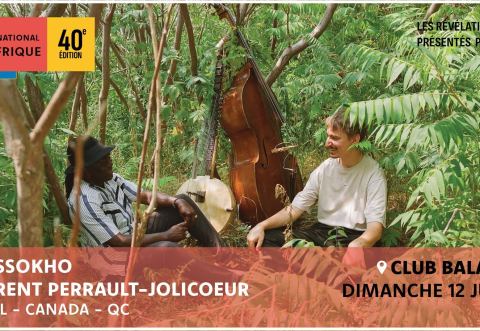
Racines - Zal Sissokho et Laurent Perrault-Jolicoeur
Zal Sissokho · Laurent Perrault-Jolicoeur
Free
-
Feb 27, 2027 · 4 p.m.
Racines - Zal Sissokho et Laurent Perrault-Jolicoeur
Zal Sissokho · Laurent Perrault-Jolicoeur
Free
-
Mar 11, 2027 · 7:30 p.m.
Racines - Zal Sissokho et Laurent Perrault-Jolicoeur
Zal Sissokho · Laurent Perrault-Jolicoeur
Free
-
Mar 25, 2027 · 7:30 p.m.
Racines - Zal Sissokho et Laurent Perrault-Jolicoeur
Zal Sissokho · Laurent Perrault-Jolicoeur
Free
-
Apr 2, 2027 → Apr 26, 2027
Racines - Zal Sissokho et Laurent Perrault-Jolicoeur
Zal Sissokho · Laurent Perrault-Jolicoeur